Geosite: Mount Ślęża nature reserve (FID: 3)
Description: The Ślęża Mountain Reserve, located in Lower Silesia, protects the summit and slopes of Ślęża (718 m a.s.l.), the highest peak of the Ślęża Massif. Rising more than 500 meters above the surrounding lowlands, the mountain dominates the landscape as an isolated, conical elevation. It is built mainly of gabbro. The site has a long cultural history: archaeological discoveries indicate that Ślęża was an important cult center for pre-Christian tribes, with stone sculptures and ritual sites preserved around the mountain. Later, medieval fortifications and Christian chapels continued the tradition of sacred use. Today, the reserve combines geological, archaeological, and natural values, protecting both unique rock outcrops and diverse forest ecosystems.
Property: Public.
Accessibility: Ślęża Mountain lies about 35 km south of Wrocław, near the town of Sobótka. It is accessible by road, with several parking areas at the foot of the massif. Well-marked hiking trails of varying difficulty lead to the summit, where viewpoints and historic monuments are located.
Use limitations: The Ślęża Mountain Reserve is subject to protective regulations. Off-trail movement is restricted to prevent erosion and disturbance of habitats. Collecting rocks, plants, or archaeological artifacts is prohibited. Open fires and camping outside designated areas are not allowed. Visitors are encouraged to follow marked routes and respect both natural and cultural monuments.
Safety: Visitors to Ślęża Mountain should be cautious on steep and rocky trails, particularly in wet or icy conditions, when paths may become slippery. The summit area is generally safe, though crowding during peak seasons can cause congestion on narrow routes. Staying on marked trails minimizes risks of falls or injuries.
Interpretatives: Interpretive resources enhance visitor understanding of Ślęża's natural and cultural heritage. Educational boards installed along the trails present information on the archaeological heritage of pre-Christian cult sites and medieval remains. At the summit and in Sobótka, displays also explain the history of research, biodiversity of the reserve, and its cultural significance.
Infrastructure: Ślęża Mountain offers well-developed tourist infrastructure. A dense network of marked hiking trails of different difficulty levels leads to the summit, making the mountain accessible year-round. Several viewpoints provide panoramic vistas over Lower Silesia. At the top stands the 19th-century church and a mountain shelter serving visitors. Additional facilities include picnic areas and observation spots along the routes.
Protection: The Ślęża Mountain Reserve is protected under Polish nature conservation law as part of the Ślęża Landscape Park. Its purpose is to safeguard gabbro outcrops, forest ecosystems, and archaeological monuments. Protection involves restrictions on land use, regulated tourism, and conservation measures that balance natural and cultural heritage preservation.
Fragility: Natural factors influencing the fragility of the reserve include erosion of steep slopes and storm-related damage to forest cover. Gradual vegetation growth may obscure open rock surfaces and archaeological remains. These processes alter the visibility and accessibility of geological and cultural features.
Vulnerability: Human activity poses significant threats to Ślęża. Walking off marked trails accelerates soil erosion and damages sensitive vegetation. Vandalism, littering, and deliberate destruction of rock carvings or archaeological sites endanger the cultural heritage. Collecting rocks or plants, though prohibited, occasionally occurs and negatively impacts the integrity of the reserve.
Geodiversity elements
| Spatial type | Scale | Relevance | Name | Descriptions | |||||||||||||||||||||||||||||||||||||||||||||||||||||||||||||||||||||||||
|---|---|---|---|---|---|---|---|---|---|---|---|---|---|---|---|---|---|---|---|---|---|---|---|---|---|---|---|---|---|---|---|---|---|---|---|---|---|---|---|---|---|---|---|---|---|---|---|---|---|---|---|---|---|---|---|---|---|---|---|---|---|---|---|---|---|---|---|---|---|---|---|---|---|---|---|---|---|
| surface | 10km |
✅ Abiotic ❌ Biotic ❌ Cultural |
Gabbro | Part of an ophiolitic complex (Ślęża Ophiolite) | |||||||||||||||||||||||||||||||||||||||||||||||||||||||||||||||||||||||||
Images (0)No images for this element. | |||||||||||||||||||||||||||||||||||||||||||||||||||||||||||||||||||||||||||||
Themes and processes (3)
Biocultural components (0)No biocultural components for this element. |
|||||||||||||||||||||||||||||||||||||||||||||||||||||||||||||||||||||||||||||
| group of surfaces | 10-100m |
✅ Abiotic ❌ Biotic ✅ Cultural |
Cult embankment | ||||||||||||||||||||||||||||||||||||||||||||||||||||||||||||||||||||||||||
Images (1)
| |||||||||||||||||||||||||||||||||||||||||||||||||||||||||||||||||||||||||||||
Themes and processes (2)
Biocultural components (1)
|
|||||||||||||||||||||||||||||||||||||||||||||||||||||||||||||||||||||||||||||
| surface | m |
✅ Abiotic ❌ Biotic ✅ Cultural |
Historic Church of the Visitation of the Blessed Virgin Mary | ||||||||||||||||||||||||||||||||||||||||||||||||||||||||||||||||||||||||||
Images (1)
| |||||||||||||||||||||||||||||||||||||||||||||||||||||||||||||||||||||||||||||
Themes and processes (1)
Biocultural components (1)
|
|||||||||||||||||||||||||||||||||||||||||||||||||||||||||||||||||||||||||||||
| group of surfaces | m |
✅ Abiotic ❌ Biotic ✅ Cultural |
Probable defensive structures | ||||||||||||||||||||||||||||||||||||||||||||||||||||||||||||||||||||||||||
Images (0)No images for this element. | |||||||||||||||||||||||||||||||||||||||||||||||||||||||||||||||||||||||||||||
Themes and processes (1)
Biocultural components (1)
|
|||||||||||||||||||||||||||||||||||||||||||||||||||||||||||||||||||||||||||||
| group of surfaces | 10-100m |
✅ Abiotic ❌ Biotic ✅ Cultural |
Boulder fields, ridges | ||||||||||||||||||||||||||||||||||||||||||||||||||||||||||||||||||||||||||
Images (2)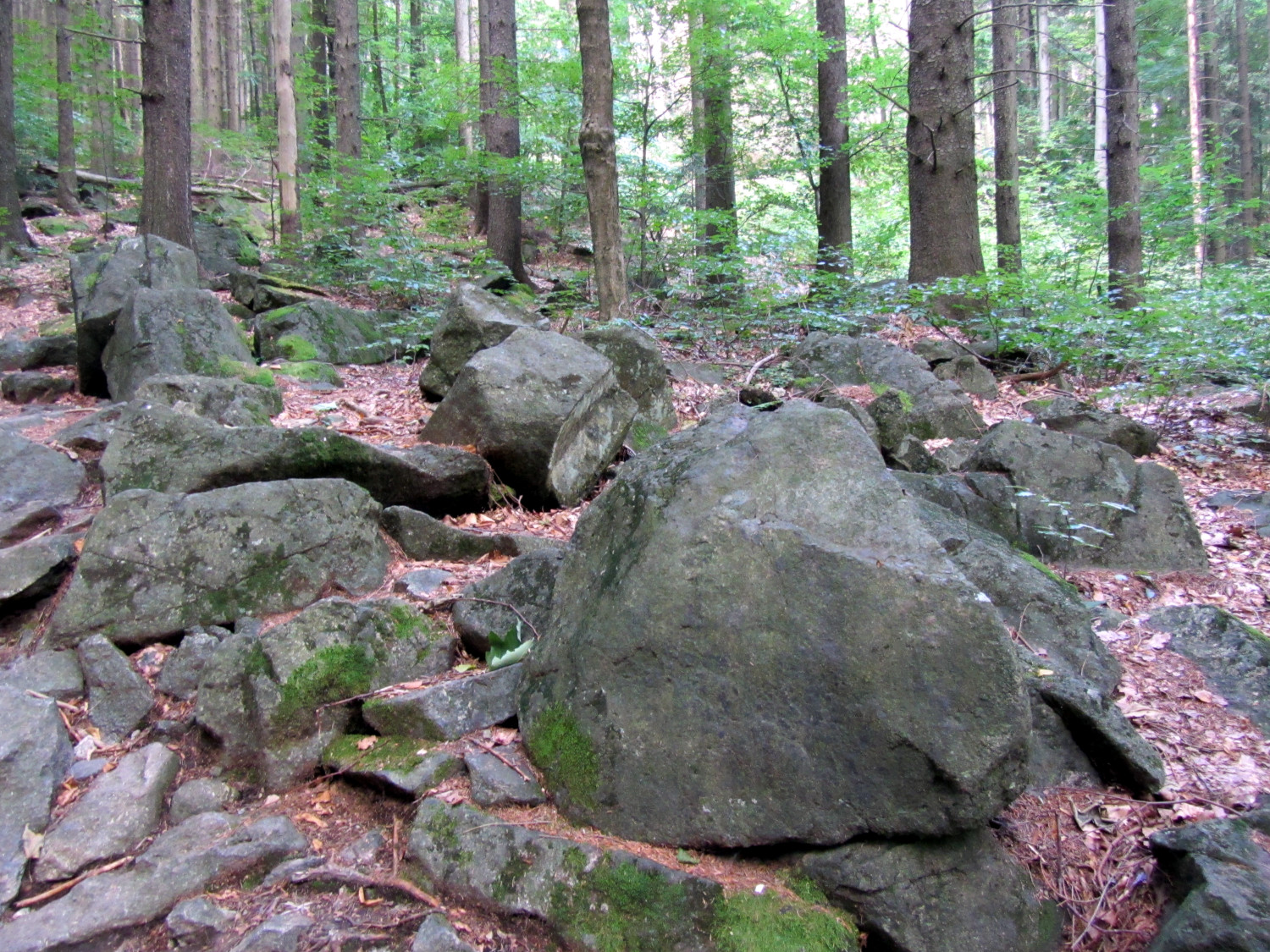

| |||||||||||||||||||||||||||||||||||||||||||||||||||||||||||||||||||||||||||||
Themes and processes (2)
Biocultural components (0)No biocultural components for this element. |
|||||||||||||||||||||||||||||||||||||||||||||||||||||||||||||||||||||||||||||
| point | m |
✅ Abiotic ❌ Biotic ✅ Cultural |
Late Medieval Mine | ||||||||||||||||||||||||||||||||||||||||||||||||||||||||||||||||||||||||||
Images (0)No images for this element. | |||||||||||||||||||||||||||||||||||||||||||||||||||||||||||||||||||||||||||||
Themes and processes (0)No themes for this element.Biocultural components (1)
|
|||||||||||||||||||||||||||||||||||||||||||||||||||||||||||||||||||||||||||||
| group of points | m |
✅ Abiotic ❌ Biotic ✅ Cultural |
Spring | ||||||||||||||||||||||||||||||||||||||||||||||||||||||||||||||||||||||||||
Images (2)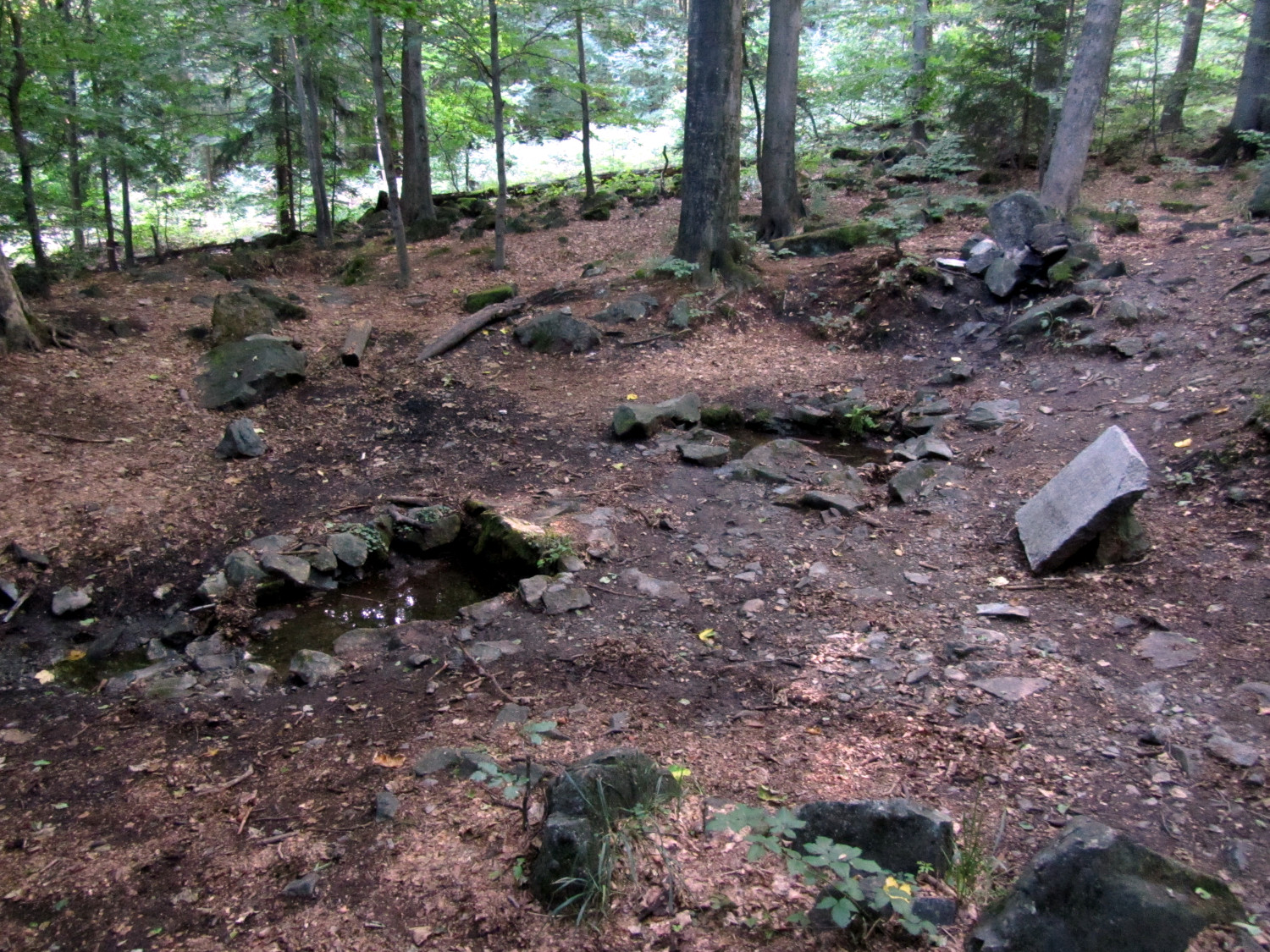

| |||||||||||||||||||||||||||||||||||||||||||||||||||||||||||||||||||||||||||||
Themes and processes (1)
Biocultural components (0)No biocultural components for this element. |
|||||||||||||||||||||||||||||||||||||||||||||||||||||||||||||||||||||||||||||
| point | mm |
✅ Abiotic ❌ Biotic ❌ Cultural |
Viewpoints | ||||||||||||||||||||||||||||||||||||||||||||||||||||||||||||||||||||||||||
Images (1)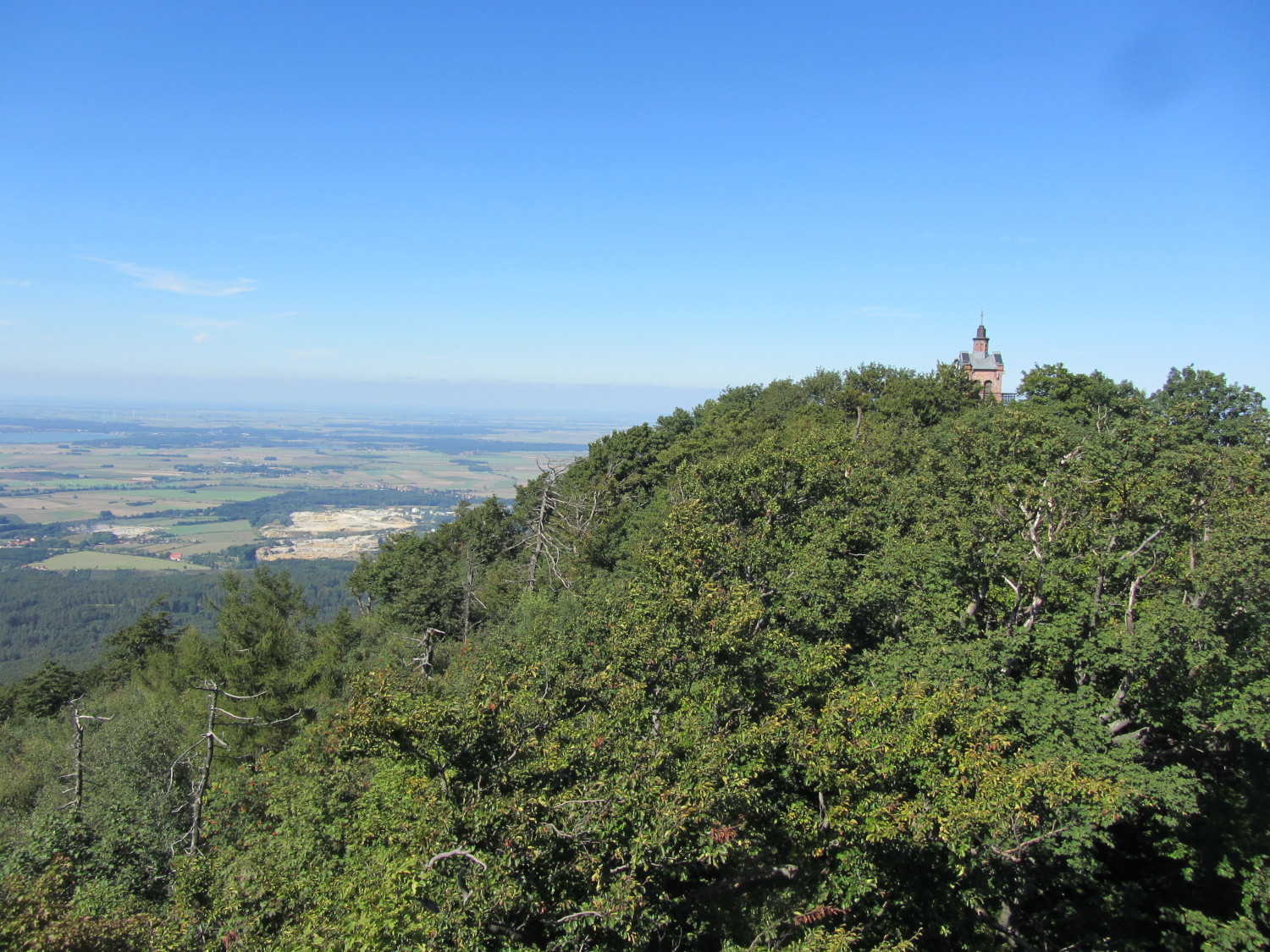
| |||||||||||||||||||||||||||||||||||||||||||||||||||||||||||||||||||||||||||||
Themes and processes (1)
Biocultural components (0)No biocultural components for this element. |
|||||||||||||||||||||||||||||||||||||||||||||||||||||||||||||||||||||||||||||
| group of points | m |
✅ Abiotic ❌ Biotic ❌ Cultural |
Individual rock formations | ||||||||||||||||||||||||||||||||||||||||||||||||||||||||||||||||||||||||||
Images (0)No images for this element. | |||||||||||||||||||||||||||||||||||||||||||||||||||||||||||||||||||||||||||||
Themes and processes (2)
Biocultural components (0)No biocultural components for this element. |
|||||||||||||||||||||||||||||||||||||||||||||||||||||||||||||||||||||||||||||
| point | mm |
✅ Abiotic ❌ Biotic ✅ Cultural |
Niedźwiedź Ślężański sculpture | ||||||||||||||||||||||||||||||||||||||||||||||||||||||||||||||||||||||||||
Images (1)
| |||||||||||||||||||||||||||||||||||||||||||||||||||||||||||||||||||||||||||||
Themes and processes (1)
Biocultural components (1)
|
|||||||||||||||||||||||||||||||||||||||||||||||||||||||||||||||||||||||||||||
| line | 10-100m |
✅ Abiotic ❌ Biotic ❌ Cultural |
Route through the boulder fields | Blue hiking trail | |||||||||||||||||||||||||||||||||||||||||||||||||||||||||||||||||||||||||
Images (1)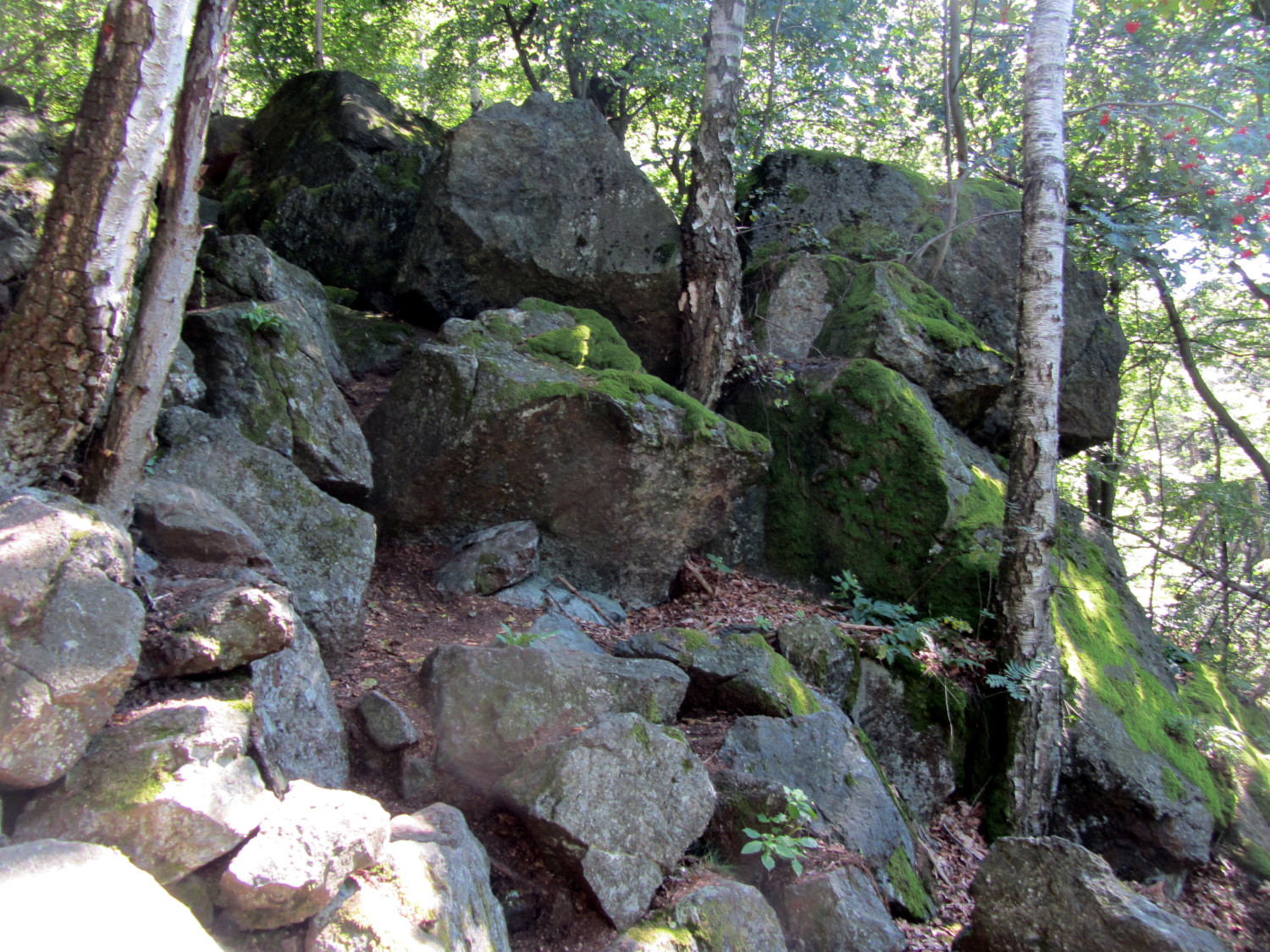
| |||||||||||||||||||||||||||||||||||||||||||||||||||||||||||||||||||||||||||||
Themes and processes (2)
Biocultural components (0)No biocultural components for this element. |
|||||||||||||||||||||||||||||||||||||||||||||||||||||||||||||||||||||||||||||
| line | 10-100m |
✅ Abiotic ❌ Biotic ❌ Cultural |
Route across the boulder fields on the SE slope | Red hiking trail | |||||||||||||||||||||||||||||||||||||||||||||||||||||||||||||||||||||||||
Images (0)No images for this element. | |||||||||||||||||||||||||||||||||||||||||||||||||||||||||||||||||||||||||||||
Themes and processes (2)
Biocultural components (0)No biocultural components for this element. |
|||||||||||||||||||||||||||||||||||||||||||||||||||||||||||||||||||||||||||||
| line | 10-100m |
✅ Abiotic ❌ Biotic ❌ Cultural |
Trail through the boulder fields on the N slope | Yellow and red hiking trails | |||||||||||||||||||||||||||||||||||||||||||||||||||||||||||||||||||||||||
Images (0)No images for this element. | |||||||||||||||||||||||||||||||||||||||||||||||||||||||||||||||||||||||||||||
Themes and processes (2)
Biocultural components (0)No biocultural components for this element. |
|||||||||||||||||||||||||||||||||||||||||||||||||||||||||||||||||||||||||||||
| surface | 10km |
✅ Abiotic ❌ Biotic ❌ Cultural |
Granite intrusion | Variscan granite of the Strzegom-Sobótka intrusion | |||||||||||||||||||||||||||||||||||||||||||||||||||||||||||||||||||||||||
Images (0)No images for this element. | |||||||||||||||||||||||||||||||||||||||||||||||||||||||||||||||||||||||||||||
Themes and processes (2)
Biocultural components (0)No biocultural components for this element. |
|||||||||||||||||||||||||||||||||||||||||||||||||||||||||||||||||||||||||||||
Geosite map
Geosite summary
Themes and processes (5)
| Process | Feature | Description |
|---|---|---|
| Formation of boulder fields under periglacial climatic conditions | Boulder fields | |
| Variscan granite intrusion | Bear sculpture | Variscan granite from the Strzegom-Sobótka intrusion was used to create the sculpture |
| Uplift, exhumation, and shaping of Mount Ślęża | ||
| Groundwater discharge | Spring | |
| Formation of gabbro | Gabbro | Considered part of an ophiolitic complex (Ślęża Ophiolite) of Late Devonian/Early Carboniferous age; the gabbro unit forms the summit of Mount Ślęża |
Time scales (4)
| Process | Is active | Time scale | Begin | End |
|---|---|---|---|---|
| Weathering under periglacial climatic conditions | passive | thousand-year | 700 ka | 10 ka |
| Variscan granite intrusions | passive | million-year | 320 Ma | 290 Ma |
| Uplift of Mount Ślęża | passive | million-year | 65 Ma | 5 Ma |
| Formation of gabbro | passive | million-year | 380 Ma | 330 Ma |
Biocultural components (5)
| Component | Description | Time scale | Begin | End |
|---|---|---|---|---|
| Niedźwiedź Ślężański sculpture | century | 2400 BP | 2200 BP | |
| Late Medieval mine | Mining followed a 10 cm thick white rock vein, likely a laminar concentration of light minerals occasionally found in gabbro. Miners may have mistaken this vein for quartz, which sometimes contains traces of gold, providing a potential target for extraction. | century | second half of the 15th century | 16th century |
| Cult embankment, Lusatian culture | century | 3300 BP | 2400 BP | |
| Probable defensive structures | No cultural material, age uncertain | century | ||
| Historic Church of the Visitation of the Blessed Virgin Mary | Church constructed from stone elements preserved from earlier buildings, mainly gabbro | century | 1851 | present |