Geosite: Miedzianka Mountain (FID: 2)
Description: The Miedzianka Nature Reserve, located in the Świętokrzyskie (Holy Cross) Mountains of central Poland, protects a distinctive hill built of Devonian limestones. The site is renowned for its copper mineralization. Since the Middle Ages, the area was exploited for copper ores, leaving behind traces of historical mining such as adits, pits, and spoil heaps. Mining activity declined in the 19th century, but the geological heritage remains well preserved. The limestones also host a variety of fossils, providing insight into marine environments of the Devonian period (Frasnian and Famennian). Today, the reserve combines natural, geological, and cultural values. Its steep rocky slopes, former mining remnants, and rare plant species create a landscape of both scientific interest and scenic character, making Miedzianka one of the key geosites of the Świętokrzyskie Mountains.
Property: Public.
Accessibility: The Miedzianka Nature Reserve is located near the village of Miedzianka, about 30 km west of Kielce. It is accessible by road, with parking available in the vicinity. A marked trail leads to the hilltop and around the reserve, offering viewpoints and access to geological exposures.
Use limitations: The Miedzianka Nature Reserve is subject to protection regulations.
Safety: Visitors to the Miedzianka Nature Reserve should exercise caution due to natural hazards associated with former mining and quarrying. Steep limestone slopes, loose rock, and remnants of old mining pits and adits pose risks of falling or collapse. Staying on marked trails significantly reduces potential danger.
Interpretatives: The mining heritage room in Miedzianka displays minerals, mining tools, and archival documents, illustrating the significance of ore extraction for the region.
Infrastructure: The Miedzianka Nature Reserve is equipped with a basic tourist infrastructure that enables visitors to explore its geological and cultural features. A marked hiking trail leads across the hill and provides access to limestone outcrops, former mining areas, and scenic viewpoints over the Świętokrzyskie Mountains. In the nearby village of Miedzianka, a small mining heritage room presents the history of local copper mining and serves as an introductory point for visitors.
Protection: The reserve is legally protected as a strict nature reserve within the Świętokrzyskie region. Its main objectives are the preservation of Devonian limestone outcrops, copper mineralization zones, and xerothermic plant communities.
Fragility: The site is ecologically and geologically fragile. Overgrowth of quarry walls and natural succession threaten the visibility of rock exposures, while grasslands and xerothermic habitats are vulnerable to encroachment by shrubs and trees. Without active management, characteristic geological and botanical features may gradually diminish.
Vulnerability: Human activities remain a significant threat to the reserve. Unauthorized mineral collecting damages outcrops, while littering and disturbance of old adits and caves endanger both heritage and local fauna. Intensive tourism outside designated paths may erode soils and harm sensitive vegetation. Effective supervision and educational outreach are crucial for long-term protection.
Geodiversity elements
| Spatial type | Scale | Relevance | Name | Descriptions | ||||||||||||||||||||||||||||||||||||||||||||||||||||||||||||||||||||||||||||||||||||||||||||||||
|---|---|---|---|---|---|---|---|---|---|---|---|---|---|---|---|---|---|---|---|---|---|---|---|---|---|---|---|---|---|---|---|---|---|---|---|---|---|---|---|---|---|---|---|---|---|---|---|---|---|---|---|---|---|---|---|---|---|---|---|---|---|---|---|---|---|---|---|---|---|---|---|---|---|---|---|---|---|---|---|---|---|---|---|---|---|---|---|---|---|---|---|---|---|---|---|---|---|---|---|---|
| surface | 10-100m |
✅ Abiotic ❌ Biotic ❌ Cultural |
Aeolian sands | Sands were deposited during the Middle Polish Glaciations | ||||||||||||||||||||||||||||||||||||||||||||||||||||||||||||||||||||||||||||||||||||||||||||||||
Images (0)No images for this element. | ||||||||||||||||||||||||||||||||||||||||||||||||||||||||||||||||||||||||||||||||||||||||||||||||||||
Themes and processes (2)
Biocultural components (0)No biocultural components for this element. |
||||||||||||||||||||||||||||||||||||||||||||||||||||||||||||||||||||||||||||||||||||||||||||||||||||
| surface | km |
✅ Abiotic ❌ Biotic ❌ Cultural |
Lower Triassic sandstones | |||||||||||||||||||||||||||||||||||||||||||||||||||||||||||||||||||||||||||||||||||||||||||||||||
Images (0)No images for this element. | ||||||||||||||||||||||||||||||||||||||||||||||||||||||||||||||||||||||||||||||||||||||||||||||||||||
Themes and processes (1)
Biocultural components (0)No biocultural components for this element. |
||||||||||||||||||||||||||||||||||||||||||||||||||||||||||||||||||||||||||||||||||||||||||||||||||||
| surface | 10-100m |
✅ Abiotic ❌ Biotic ❌ Cultural |
Famennian marls and shales | Famennian marl and shale deposits are forming a lens within the Frasnian limestones | ||||||||||||||||||||||||||||||||||||||||||||||||||||||||||||||||||||||||||||||||||||||||||||||||
Images (1)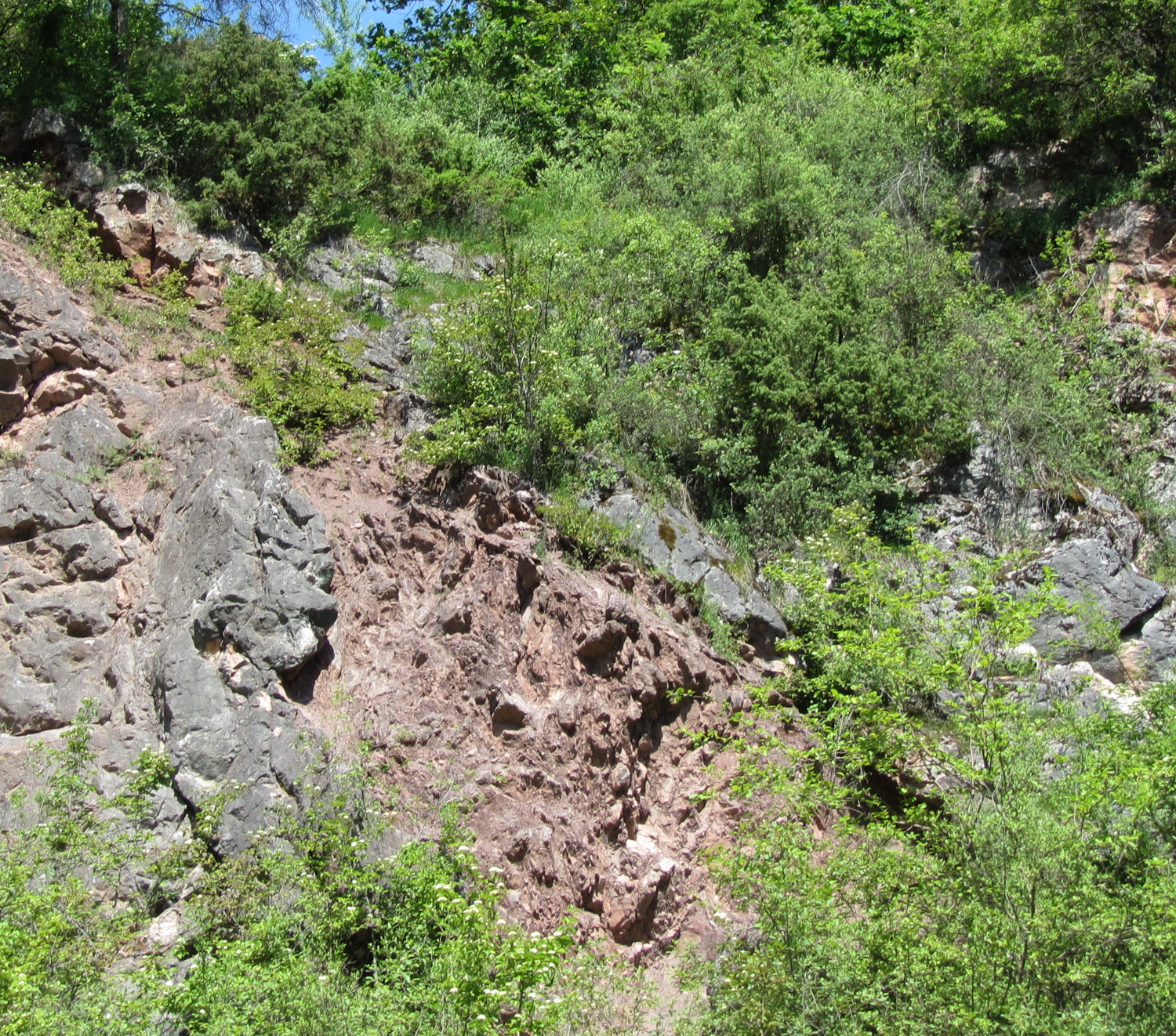
| ||||||||||||||||||||||||||||||||||||||||||||||||||||||||||||||||||||||||||||||||||||||||||||||||||||
Themes and processes (2)
Biocultural components (0)No biocultural components for this element. |
||||||||||||||||||||||||||||||||||||||||||||||||||||||||||||||||||||||||||||||||||||||||||||||||||||
| group of surfaces | km |
✅ Abiotic ❌ Biotic ❌ Cultural |
Glaciofluvial sands | |||||||||||||||||||||||||||||||||||||||||||||||||||||||||||||||||||||||||||||||||||||||||||||||||
Images (1)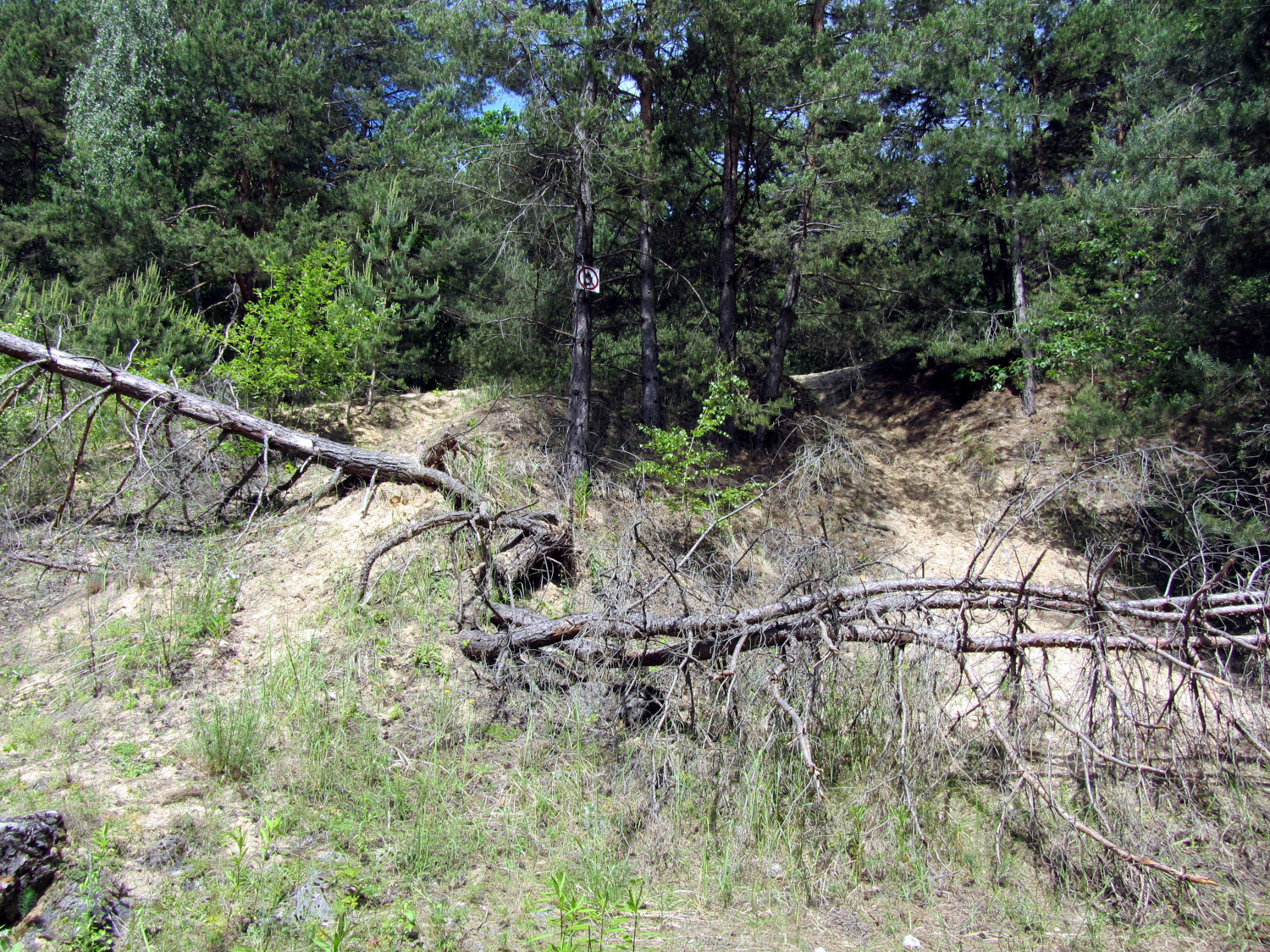
| ||||||||||||||||||||||||||||||||||||||||||||||||||||||||||||||||||||||||||||||||||||||||||||||||||||
Themes and processes (1)
Biocultural components (0)No biocultural components for this element. |
||||||||||||||||||||||||||||||||||||||||||||||||||||||||||||||||||||||||||||||||||||||||||||||||||||
| surface | 10-100m |
✅ Abiotic ❌ Biotic ❌ Cultural |
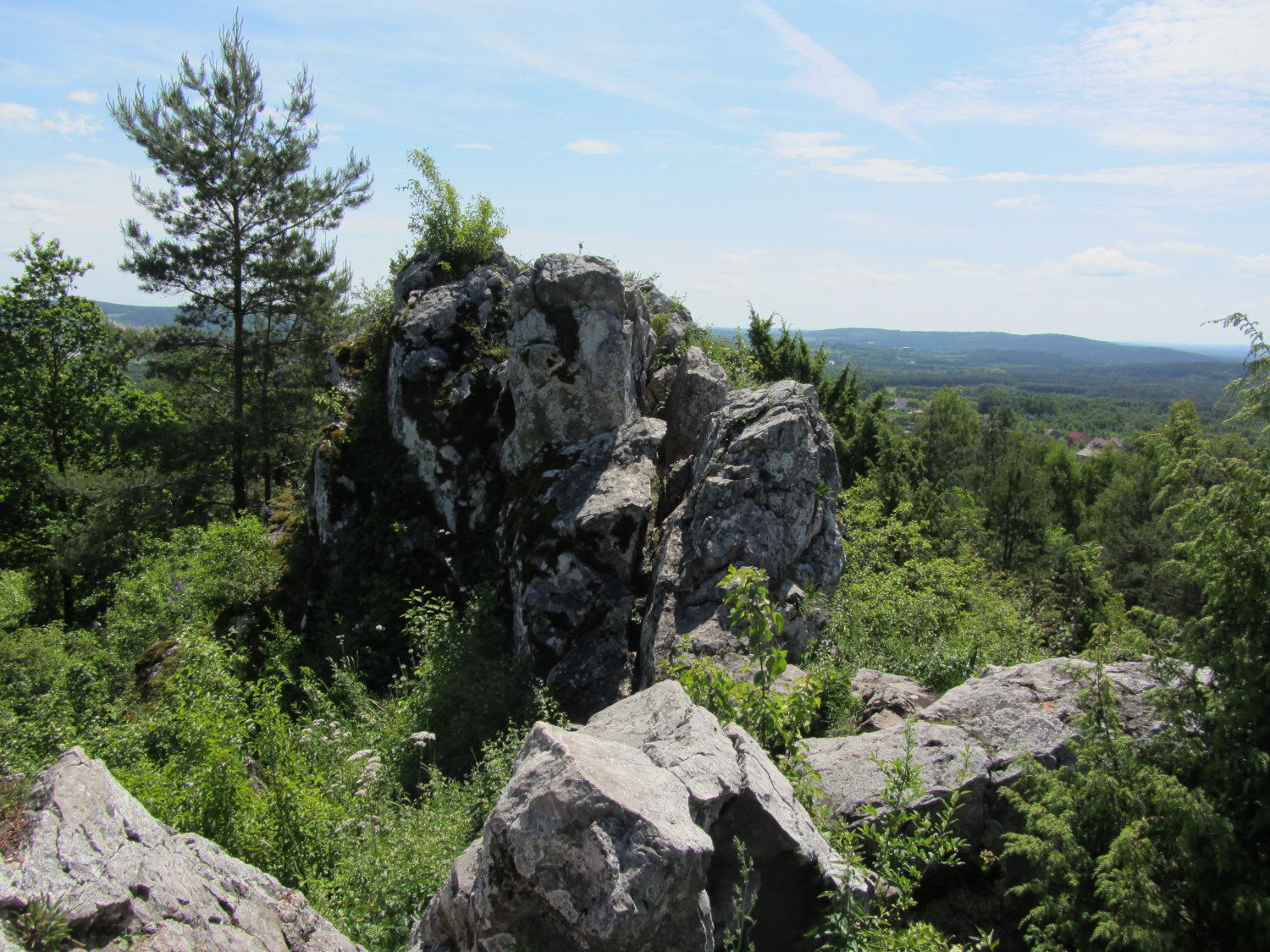
Ridge at the summit of Miedzianka | |||||||||||||||||||||||||||||||||||||||||||||||||||||||||||||||||||||||||||||||||||||||||||||||||
Images (3)

| ||||||||||||||||||||||||||||||||||||||||||||||||||||||||||||||||||||||||||||||||||||||||||||||||||||
Themes and processes (2)
Biocultural components (0)No biocultural components for this element. |
||||||||||||||||||||||||||||||||||||||||||||||||||||||||||||||||||||||||||||||||||||||||||||||||||||
| group of surfaces | 10-100m |
✅ Abiotic ❌ Biotic ✅ Cultural |
Quarries | |||||||||||||||||||||||||||||||||||||||||||||||||||||||||||||||||||||||||||||||||||||||||||||||||
Images (1)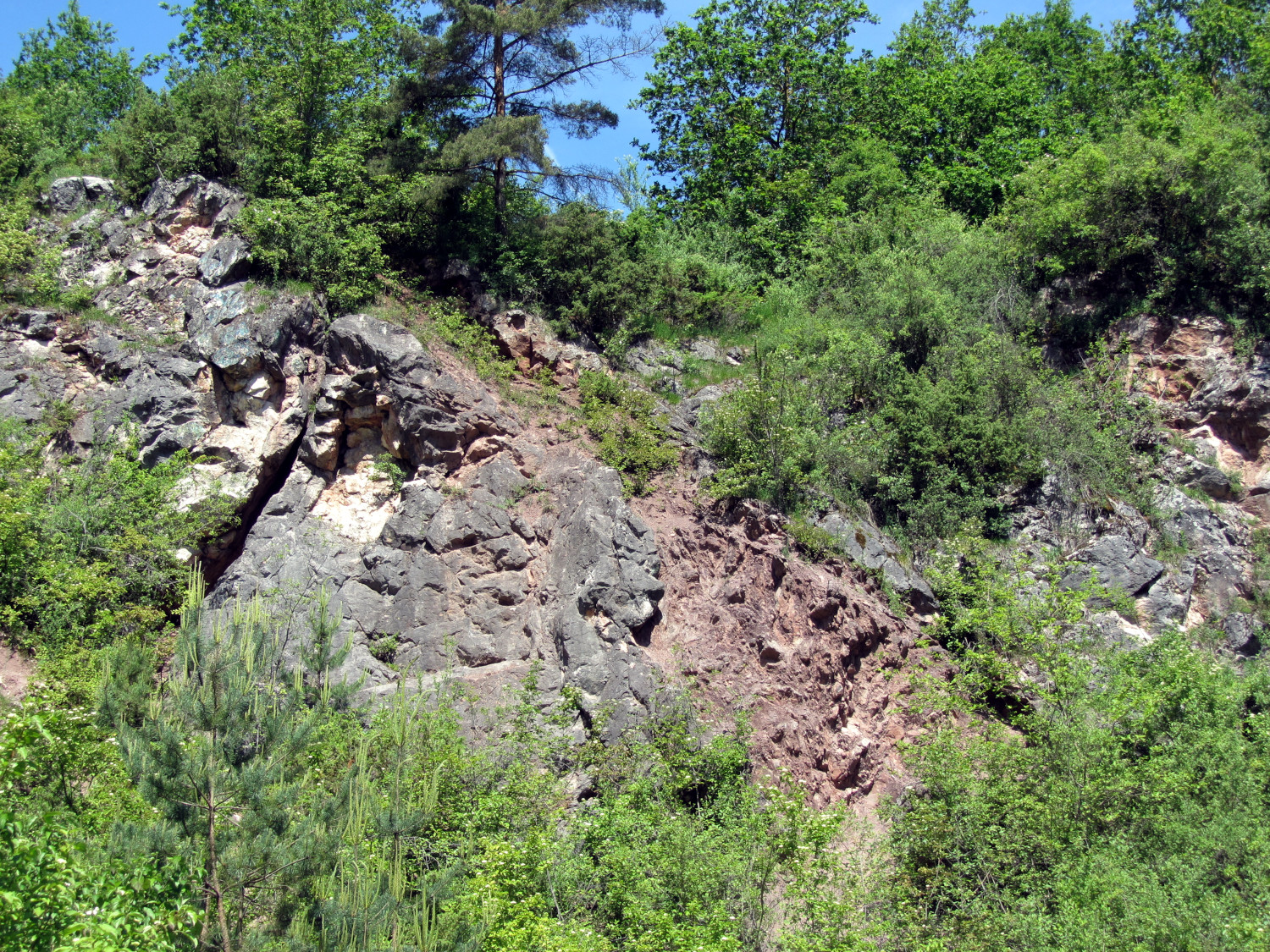
| ||||||||||||||||||||||||||||||||||||||||||||||||||||||||||||||||||||||||||||||||||||||||||||||||||||
Themes and processes (1)
Biocultural components (1)
|
||||||||||||||||||||||||||||||||||||||||||||||||||||||||||||||||||||||||||||||||||||||||||||||||||||
| group of surfaces | 10-100m |
✅ Abiotic ❌ Biotic ✅ Cultural |
Remains of copper ore mining | Heaps | ||||||||||||||||||||||||||||||||||||||||||||||||||||||||||||||||||||||||||||||||||||||||||||||||
Images (0)No images for this element. | ||||||||||||||||||||||||||||||||||||||||||||||||||||||||||||||||||||||||||||||||||||||||||||||||||||
Themes and processes (3)
Biocultural components (1)
|
||||||||||||||||||||||||||||||||||||||||||||||||||||||||||||||||||||||||||||||||||||||||||||||||||||
| group of surfaces | 10-100m |
✅ Abiotic ✅ Biotic ❌ Cultural |
Asplenietea rupestria | Rocky plant communities of the class Asplenietea rupestria | ||||||||||||||||||||||||||||||||||||||||||||||||||||||||||||||||||||||||||||||||||||||||||||||||
Images (0)No images for this element. | ||||||||||||||||||||||||||||||||||||||||||||||||||||||||||||||||||||||||||||||||||||||||||||||||||||
Themes and processes (0)No themes for this element.Biocultural components (1)
|
||||||||||||||||||||||||||||||||||||||||||||||||||||||||||||||||||||||||||||||||||||||||||||||||||||
| surface | 10-100m |
✅ Abiotic ✅ Biotic ❌ Cultural |
Juniperus communis | Community of Juniperus communis on dry grassland | ||||||||||||||||||||||||||||||||||||||||||||||||||||||||||||||||||||||||||||||||||||||||||||||||
Images (0)No images for this element. | ||||||||||||||||||||||||||||||||||||||||||||||||||||||||||||||||||||||||||||||||||||||||||||||||||||
Themes and processes (0)No themes for this element.Biocultural components (1)
|
||||||||||||||||||||||||||||||||||||||||||||||||||||||||||||||||||||||||||||||||||||||||||||||||||||
| group of surfaces | m |
✅ Abiotic ✅ Biotic ❌ Cultural |
Festuco-Brometea | Dry grasslands on calcareous substrates of the class Festuco-Brometea | ||||||||||||||||||||||||||||||||||||||||||||||||||||||||||||||||||||||||||||||||||||||||||||||||
Images (0)No images for this element. | ||||||||||||||||||||||||||||||||||||||||||||||||||||||||||||||||||||||||||||||||||||||||||||||||||||
Themes and processes (0)No themes for this element.Biocultural components (1)
|
||||||||||||||||||||||||||||||||||||||||||||||||||||||||||||||||||||||||||||||||||||||||||||||||||||
| surface | km |
✅ Abiotic ❌ Biotic ❌ Cultural |
Frasnian limestones | |||||||||||||||||||||||||||||||||||||||||||||||||||||||||||||||||||||||||||||||||||||||||||||||||
Images (1)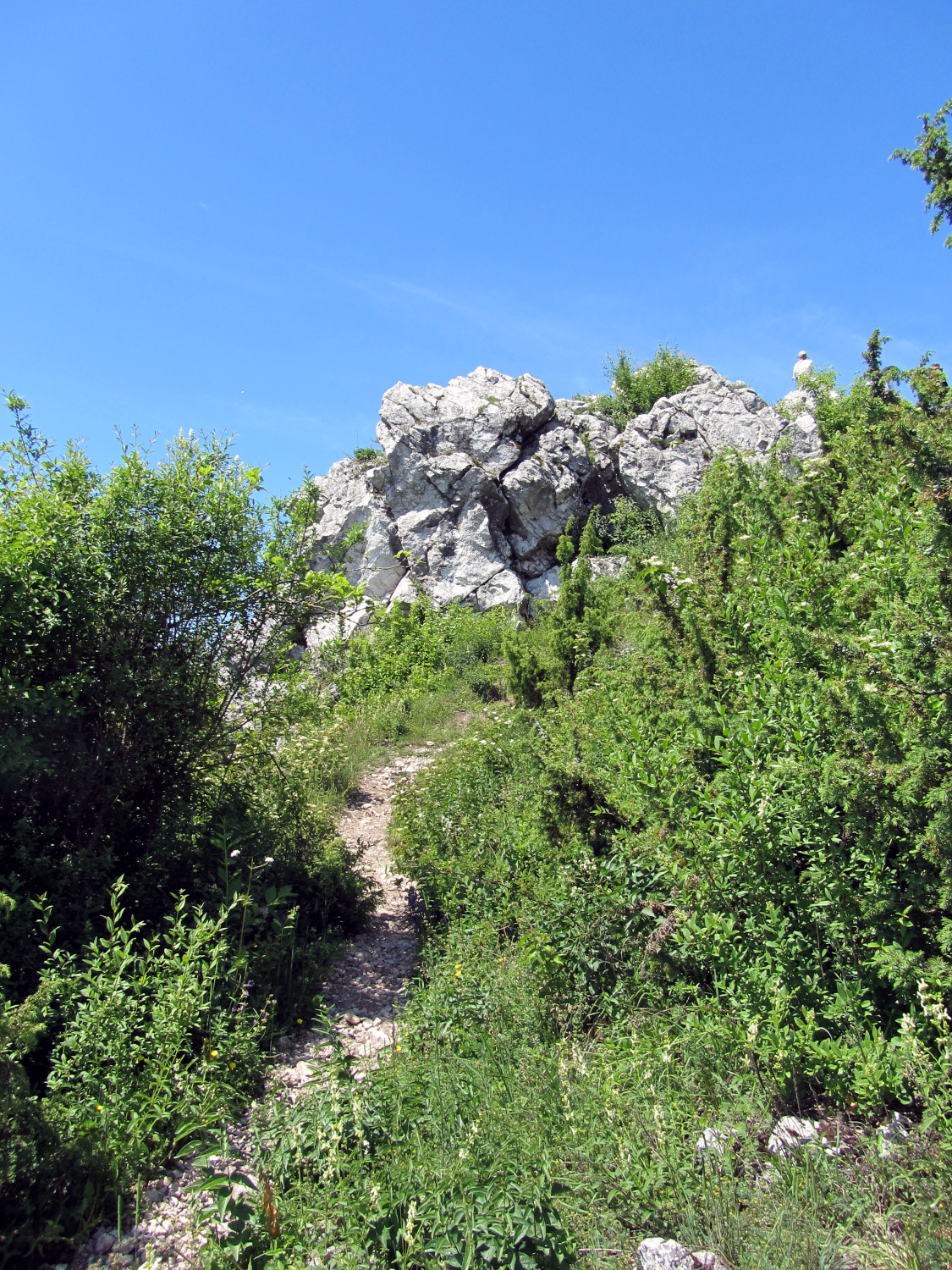
| ||||||||||||||||||||||||||||||||||||||||||||||||||||||||||||||||||||||||||||||||||||||||||||||||||||
Themes and processes (4)
Biocultural components (0)No biocultural components for this element. |
||||||||||||||||||||||||||||||||||||||||||||||||||||||||||||||||||||||||||||||||||||||||||||||||||||
| group of points | 10-100m |
✅ Abiotic ❌ Biotic ✅ Cultural |
Adits and caves | |||||||||||||||||||||||||||||||||||||||||||||||||||||||||||||||||||||||||||||||||||||||||||||||||
Images (3)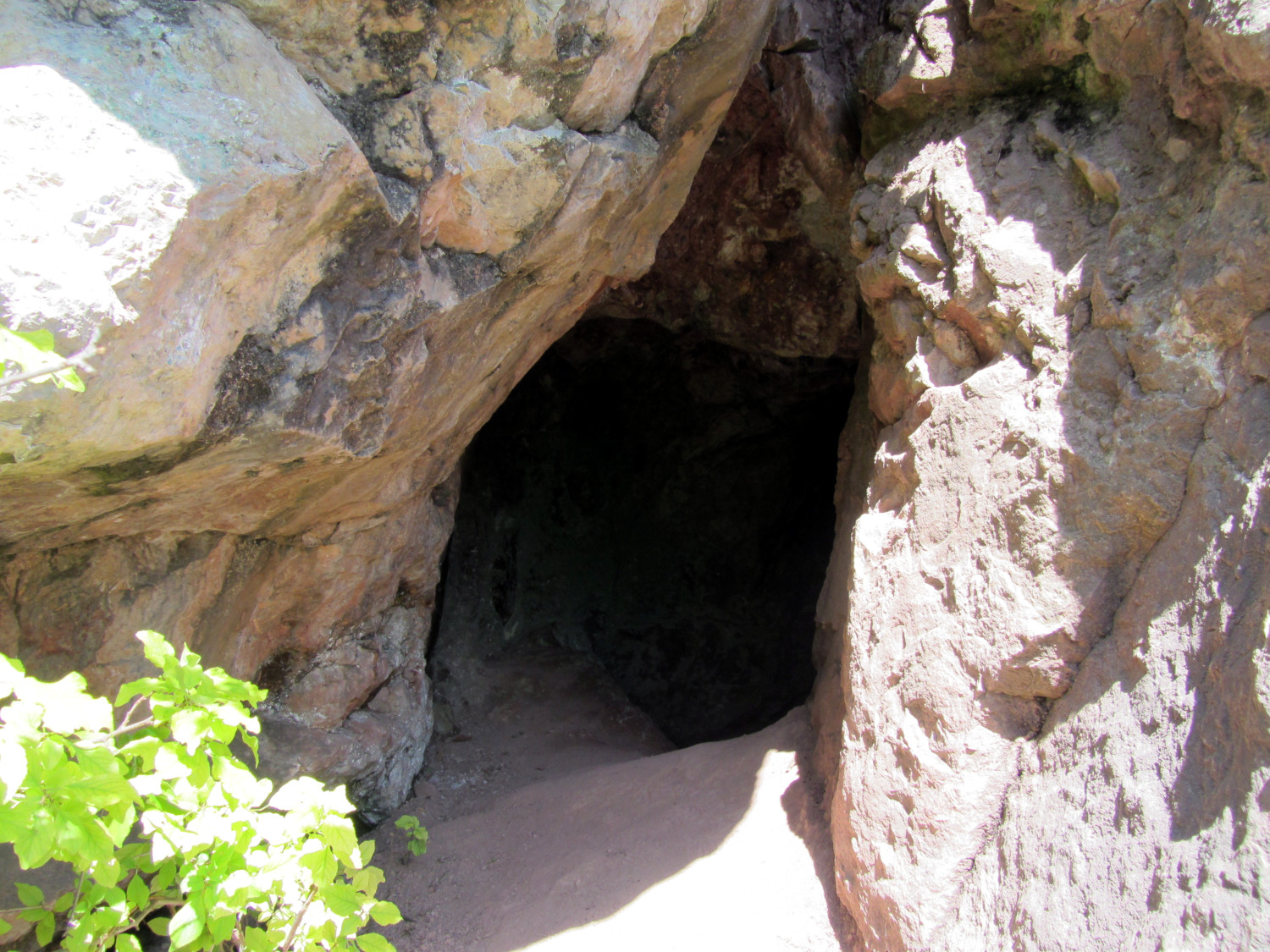


| ||||||||||||||||||||||||||||||||||||||||||||||||||||||||||||||||||||||||||||||||||||||||||||||||||||
Themes and processes (1)
Biocultural components (1)
|
||||||||||||||||||||||||||||||||||||||||||||||||||||||||||||||||||||||||||||||||||||||||||||||||||||
| point | m |
❌ Abiotic ❌ Biotic ✅ Cultural |
Mining Heritage Room in Miedzianka | |||||||||||||||||||||||||||||||||||||||||||||||||||||||||||||||||||||||||||||||||||||||||||||||||
Images (1)
| ||||||||||||||||||||||||||||||||||||||||||||||||||||||||||||||||||||||||||||||||||||||||||||||||||||
Themes and processes (0)No themes for this element.Biocultural components (1)
|
||||||||||||||||||||||||||||||||||||||||||||||||||||||||||||||||||||||||||||||||||||||||||||||||||||
| point | m |
❌ Abiotic ❌ Biotic ✅ Cultural |
Headframe of the former “Piotr” shaft | |||||||||||||||||||||||||||||||||||||||||||||||||||||||||||||||||||||||||||||||||||||||||||||||||
Images (1)
| ||||||||||||||||||||||||||||||||||||||||||||||||||||||||||||||||||||||||||||||||||||||||||||||||||||
Themes and processes (0)No themes for this element.Biocultural components (1)
|
||||||||||||||||||||||||||||||||||||||||||||||||||||||||||||||||||||||||||||||||||||||||||||||||||||
| point | mm |
✅ Abiotic ❌ Biotic ❌ Cultural |
Viewpoints from Mount Miedzianka | |||||||||||||||||||||||||||||||||||||||||||||||||||||||||||||||||||||||||||||||||||||||||||||||||
Images (1)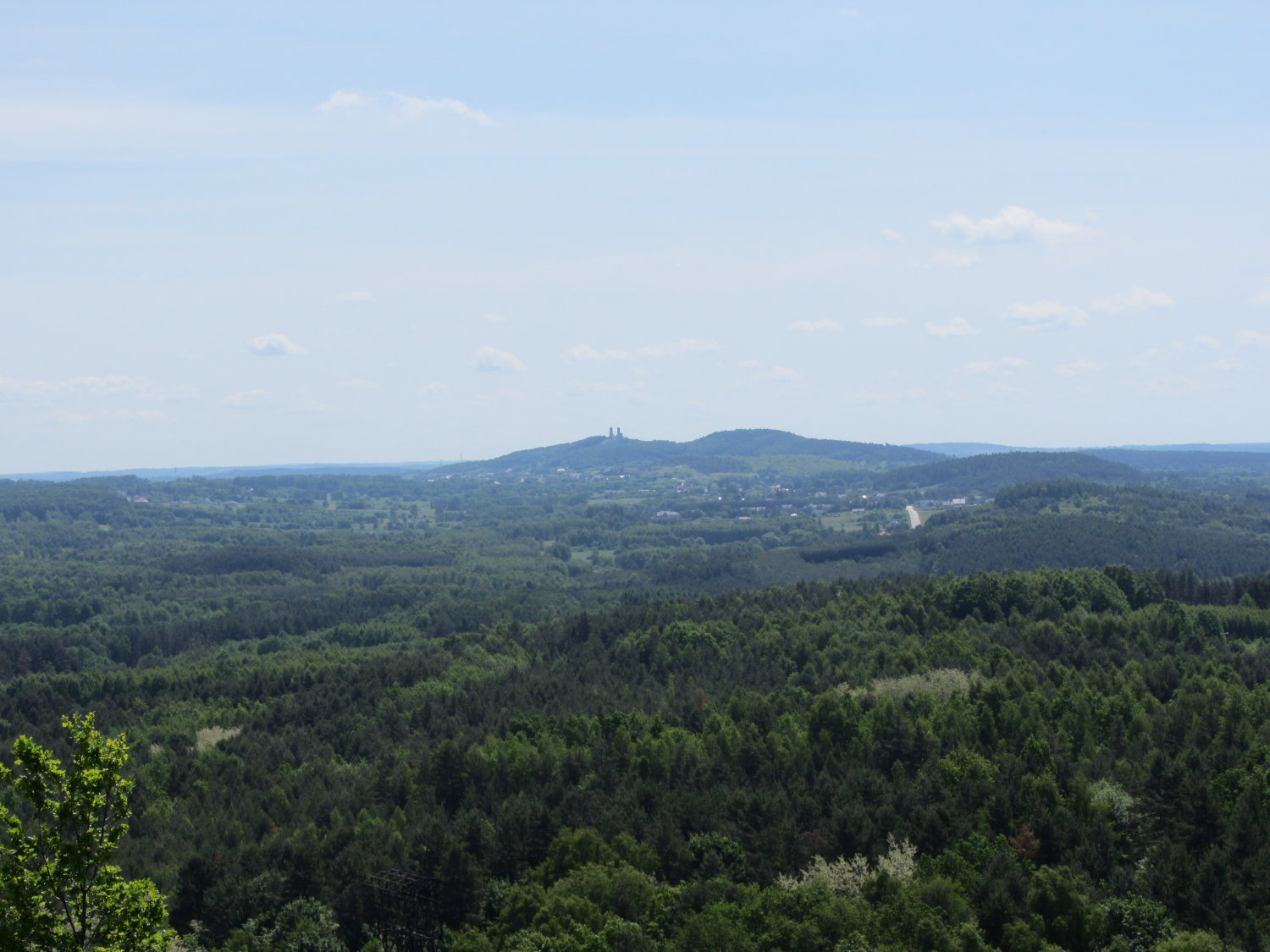
| ||||||||||||||||||||||||||||||||||||||||||||||||||||||||||||||||||||||||||||||||||||||||||||||||||||
Themes and processes (1)
Biocultural components (0)No biocultural components for this element. |
||||||||||||||||||||||||||||||||||||||||||||||||||||||||||||||||||||||||||||||||||||||||||||||||||||
| line | 10-100m |
✅ Abiotic ❌ Biotic ✅ Cultural |
Trail to the quarries and spoil heap | |||||||||||||||||||||||||||||||||||||||||||||||||||||||||||||||||||||||||||||||||||||||||||||||||
Images (0)No images for this element. | ||||||||||||||||||||||||||||||||||||||||||||||||||||||||||||||||||||||||||||||||||||||||||||||||||||
Themes and processes (2)
Biocultural components (1)
|
||||||||||||||||||||||||||||||||||||||||||||||||||||||||||||||||||||||||||||||||||||||||||||||||||||
| line | m |
✅ Abiotic ❌ Biotic ❌ Cultural |
Trail along the rocky ridge at the summit of Miedzianka | Frasnian limestones | ||||||||||||||||||||||||||||||||||||||||||||||||||||||||||||||||||||||||||||||||||||||||||||||||
Images (1)
| ||||||||||||||||||||||||||||||||||||||||||||||||||||||||||||||||||||||||||||||||||||||||||||||||||||
Themes and processes (2)
Biocultural components (0)No biocultural components for this element. |
||||||||||||||||||||||||||||||||||||||||||||||||||||||||||||||||||||||||||||||||||||||||||||||||||||
Geosite map
Geosite summary
Themes and processes (12)
| Process | Feature | Description |
|---|---|---|
| Sedimentation of glaciofluvial sands during the Middle Polish Glaciation | Glaciofluvial sands | |
| Formation of sands into dunes under periglacial climatic conditions | Aeolian sands | |
| Sedimentation of continental deposits in the Early Triassic | Lower Triassic sandstones | |
| Marine sedimentation of Famennian deposits | Famennian marls and shales | |
| Deformation of Upper Devonian rocks during the Variscan orogeny | Famennian marl and shale deposits formed a lens within the Frasnian limestones | |
| Karst processes leading to the formation of caves and ridges | Ridge at the summit of Miedzianka | |
| Uplift of the western part of the Holy Cross Mountains during the Laramide movements | Ridge at the summit of Miedzianka | |
| Exploitation of Devonian limestones | Inactive quarry | |
| Mining of copper ores | Heaps | |
| Sedimentation of limestones in a shallow, warm sea | Frasnian limestones | |
| Primary copper mineralization | Copper mineralization | Concentration of primary copper ores in limestone fractures |
| Secondary copper mineralization | Azurite, malachite |
Time scales (12)
| Process | Is active | Time scale | Begin | End |
|---|---|---|---|---|
| Glaciofluvial sedimentation | passive | hundred thousand-year | 400 ka | 130 ka |
| Formation of dunes | passive | thousand-year | 100 ka | 10 ka |
| Sedimentation of continental deposits in the Early Triassic | passive | million-year | 250 Ma | 240 Ma |
| Sedimentation of Famennian marls and mud shales | passive | million-year | 372 Ma | 360 Ma |
| Variscan deformations | passive | million-year | 330 Ma | 300 Ma |
| Intensive karst processes in the Late Paleogene and Neogene | passive | million-year | 40 Ma | 2 Ma |
| Uplift of the western part of the Holy Cross Mountains in the Late Paleogene and Neogene | passive | million-year | 40 Ma | 5 Ma |
| Extraction of Devonian carbonates | passive | century | 18th century | 1950 |
| Underground mining of copper ores | passive | century | 13th century | 1954 |
| Marine sedimentation of Frasnian deposits | passive | million-year | 382 Ma | 372 Ma |
| Primary Variscan copper mineralization | passive | million-year | 330 Ma | 300 Ma |
| Secondary copper mineralization | passive | million-year | 300 Ma | 65 Ma |
Biocultural components (8)
| Component | Description | Time scale | Begin | End |
|---|---|---|---|---|
| Inactive quarries | Devonian limestones were mined in the quarries | century | 18th century | 1950 |
| Heaps | Remains of copper ore mining | century | 13th century | 1954 |
| Rocky plant communities of the class Asplenietea rupestria | These communities develop on the walls of former quarries and in limestone rock crevices, mainly exposed in the upper parts of the hill | year | 1954 | present |
| Community of Juniperus communis on dry grassland | year | 1954 | present | |
| Dry grasslands on calcareous substrates of the class Festuco-Brometea | year | 1954 | present | |
| Adits | Underground mining of copper ores | century | 13th century | 1954 |
| Mining Heritage Room in Miedzianka | The Mining Heritage Room, established in September 2008 in the former mining school and mining office, presents the region’s copper mining history. The historical exhibition displays tools, machines, and mining techniques used locally, while the natural history section showcases minerals from the Świętokrzyskie Mountains and worldwide, as well as fossils discovered in the area. | year | 2008 | present |
| Headframe of the former “Piotr” shaft | This is the only headframe in the Świętokrzyskie region. Originally built in 1902 in Siemianowice Śląskie for the “Kazimierz” mine in Sosnowiec, it was relocated in the 1950s to Mount Miedzianka in Chęciny County, where copper ore mining was underway. Due to limited ore reserves and the discovery of richer deposits elsewhere, the tower operated at this site for only three years (1951–1954). | year | 1951 | present |